Four sessions.
One complete picture.
Each session addresses a specific knowledge gap that most cooperative members have. Together, they provide a practical foundation for informed participation.

How a Savings and Credit Cooperative Works
This first session lays the foundation. Many cooperative members have a vague sense that their institution is "different from a bank," but cannot explain exactly how. This session clarifies the structure, the ownership model, and the governance framework of a cooperative — in plain, accessible language.
We cover the legal framework in Paraguay, the supervisory role of INCOOP (Instituto Nacional de Cooperativismo), and what it means in practice to be a member-owner rather than a customer.
Member Rights and Responsibilities
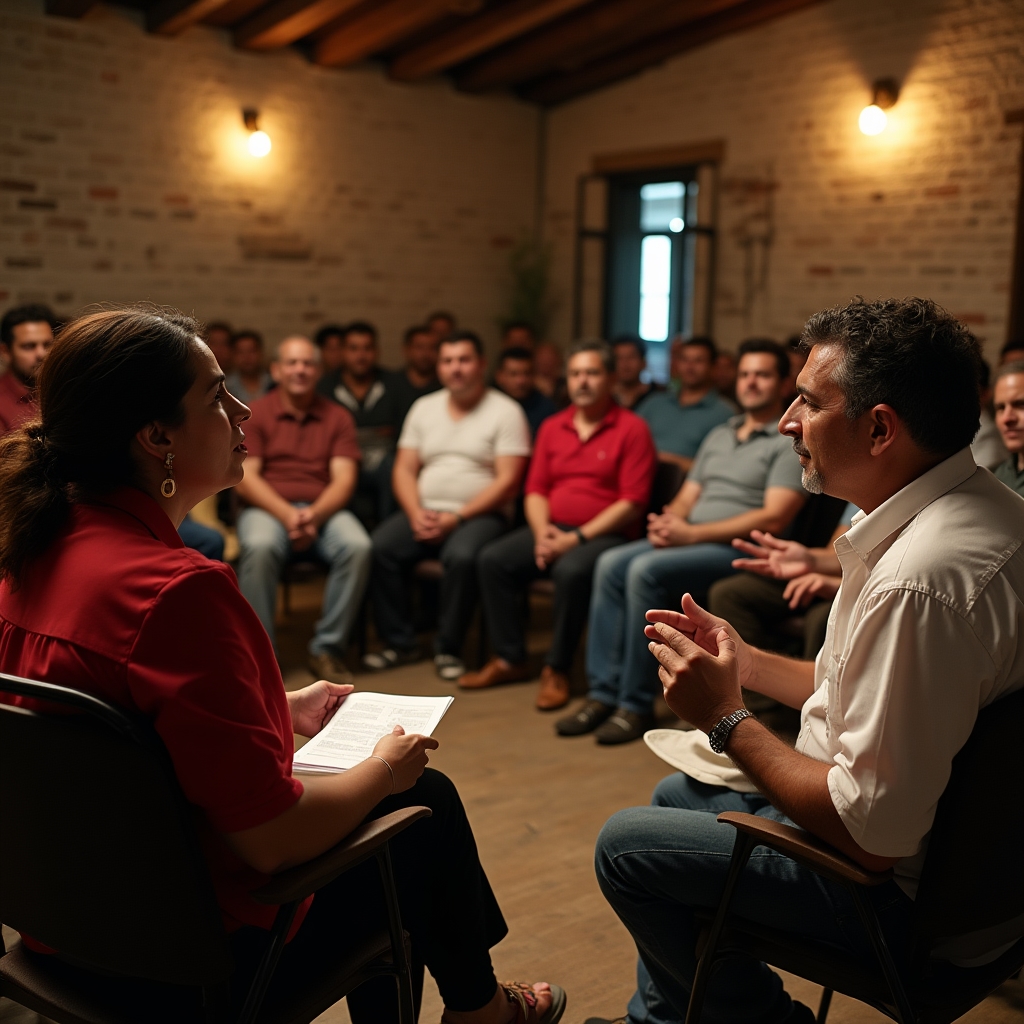
Being a cooperative member comes with a set of rights that many members are simply unaware of. This session provides a detailed and practical overview of those rights — grounded in both Paraguayan cooperative law and the specific statutes that govern individual cooperatives.
We also cover member responsibilities, because an informed member understands both sides of the relationship. And we discuss the practical channels available when members want to ask questions, request information, or raise concerns.

Reading a Simplified Balance Sheet
The annual financial report is the most important document a cooperative produces — and most members never read it. This session removes the intimidation factor by teaching participants to navigate the key sections of a cooperative's financial statements.
We focus specifically on the simplified balance sheet format used by cooperatives in Paraguay, explaining each major line item in plain language. No accounting background is required or assumed.
Participating in the Annual Assembly
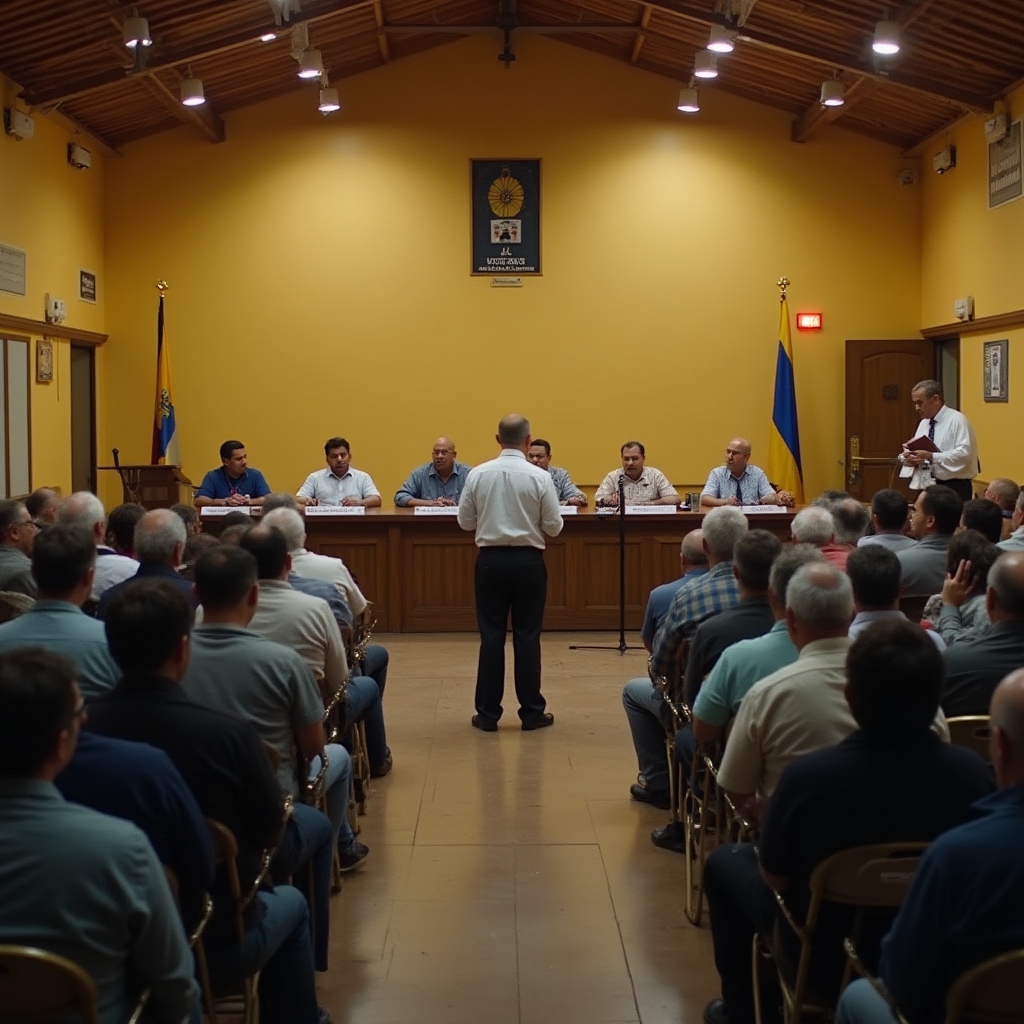
The annual assembly is the moment when member-ownership becomes real — decisions about surplus distribution, board elections, and strategic direction are all made there. Yet most members either do not attend or attend without knowing how to engage.
This session prepares members to participate meaningfully. We walk through a typical assembly agenda, explain what each item means, and provide a practical set of questions that any member can ask — questions that are reasonable, relevant, and within their rights to raise.
Questions about the program?
If you want to know more about how the sessions are structured, who they are designed for, or how to arrange participation, we are happy to provide more information.
Independent program. No affiliation with any cooperative.